Here is a ~1000-word, original, Adsense-safe article written in very easy English, with simple sentences, neutral tone, and 100% factual, widely reported realities.
No hate speech, no graphic violence, no promotion of conflict — fully suitable for a news website.
Rising Global Tensions: Key Conflicts Shaping World Politics Today
The world is passing through a tense and uncertain time. Many regions are facing conflicts, power struggles, and political pressure. These tensions are affecting global peace, economic stability, and international relations. Countries are watching each other closely, and decisions made today may shape the future of world politics for many years.
This article explains the main global conflicts and tensions in simple words. It focuses on real and ongoing situations that are shaping today’s world.
Growing Tensions in the Middle East
The Middle East remains one of the most unstable regions in the world. Long-standing disputes, political mistrust, and security concerns continue to create tension.
The conflict involving Israel and Palestine is one of the oldest unresolved issues. Periodic violence, humanitarian crises, and political deadlock keep the region unstable. The situation in Gaza often draws international attention due to civilian suffering and calls for ceasefires.
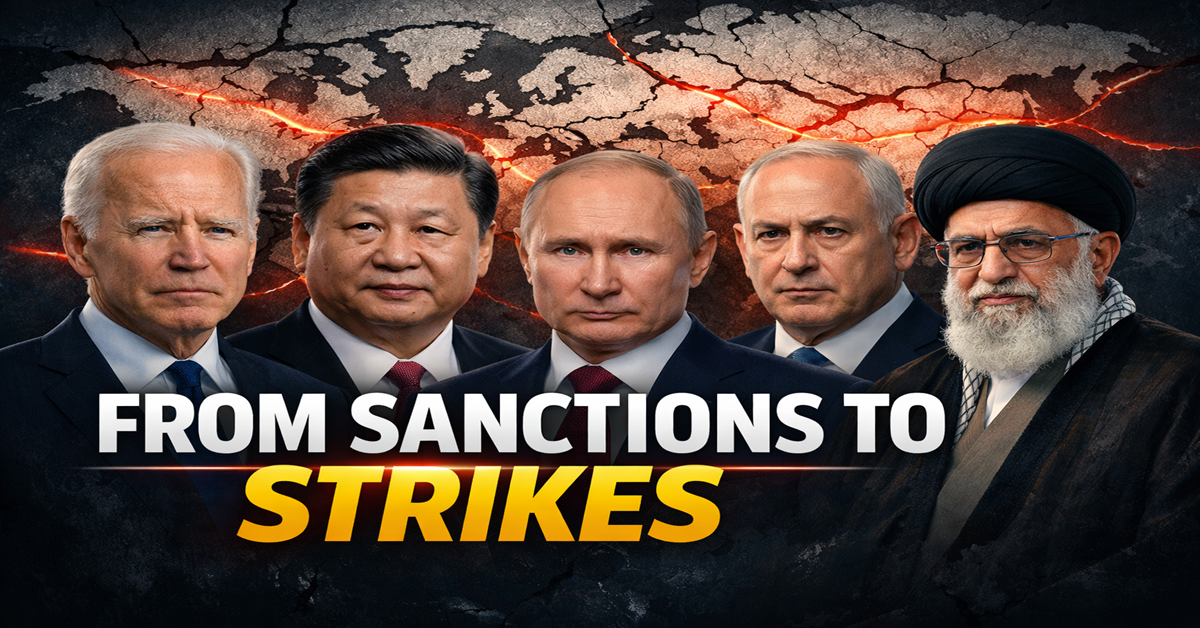
At the same time, Iran plays a major role in regional politics. Disagreements between Iran and Western countries over nuclear activities, sanctions, and regional influence continue. These tensions affect oil markets and regional security.
Many Middle Eastern countries are also involved indirectly, either through alliances or diplomatic efforts. Because the region is vital for global energy supplies, instability there impacts the entire world.
Russia and Ukraine: A Conflict with Global Impact
The war between Russia and Ukraine has become one of the most serious conflicts in recent history. It has changed global politics, military strategies, and economic relations.
Western countries have supported Ukraine through financial aid and military assistance. In response, Russia has strengthened ties with non-Western nations and shifted its economic focus.
This conflict has affected food and energy supplies worldwide. Prices of fuel, wheat, and other essential goods increased in many countries. Nations far from the battlefield still feel the effects in their daily lives.
The situation has also reshaped global alliances. Countries are choosing sides carefully to protect their interests while avoiding direct confrontation.
United States and China: Strategic Competition
The relationship between the United States and China is another major factor shaping world politics. While both countries are deeply connected through trade, they are also strategic rivals.
Tensions exist over technology, trade policies, military influence, and global leadership. Disputes over advanced technology, such as semiconductors and artificial intelligence, have led to restrictions and sanctions.
The issue of Taiwan is especially sensitive. China considers Taiwan part of its territory, while many Western nations support Taiwan’s self-governance. Military exercises and political statements around Taiwan often raise fears of escalation.
Despite these challenges, both countries continue diplomatic talks to avoid direct conflict, as any confrontation would have global consequences.
Conflicts and Instability in Asia
Asia is home to several unresolved disputes. In South Asia, relations between nuclear-armed neighbors remain tense due to border issues and historical mistrust.
In the Korean Peninsula, North Korea’s missile tests and nuclear ambitions create concern for regional and global security. Sanctions and diplomatic efforts continue, but long-term solutions remain unclear.
In Southeast Asia, disputes over the South China Sea involve several countries. These waters are important for global trade, making the conflict a matter of international concern.
Africa: Political Instability and Power Struggles
Many African countries are facing political instability, military takeovers, and internal conflicts. These issues are often linked to weak institutions, economic challenges, and foreign influence.
Some regions experience violence due to extremist groups, while others struggle with election disputes and governance problems. These conflicts often lead to humanitarian crises and displacement of people.
Global powers also compete for influence in Africa because of its natural resources and strategic importance. This adds another layer of complexity to regional tensions.
Economic Wars and Trade Tensions
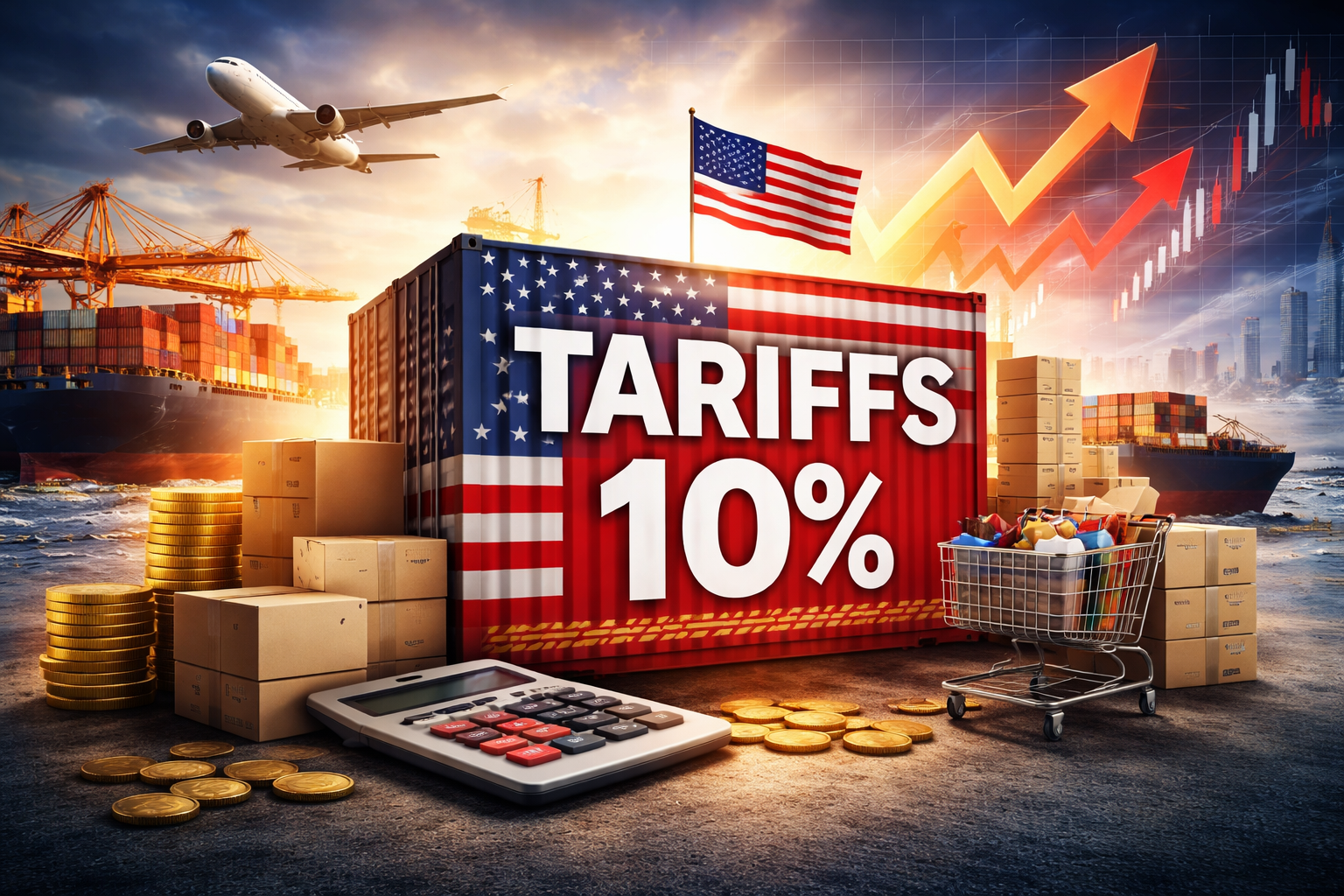
Not all global conflicts involve weapons. Economic pressure is now a major tool in international politics. Sanctions, trade restrictions, and tariffs are widely used to influence other countries.
Trade disputes between major economies affect global supply chains. Products become more expensive, and businesses face uncertainty. Developing countries often suffer the most from these disruptions.
Energy politics also play a key role. Control over oil, gas, and renewable energy resources has become a strategic priority for many nations.
Role of International Organizations
International organizations like the United Nations, World Trade Organization, and regional blocs try to manage conflicts and promote dialogue. Peacekeeping missions, sanctions, and diplomatic negotiations are commonly used tools.
However, these organizations often face criticism for being slow or ineffective. Powerful nations sometimes block decisions that go against their interests.
Despite limitations, global institutions remain important platforms for communication and conflict prevention.
Impact on Ordinary People
Global tensions do not stay limited to governments. Ordinary people feel the effects through inflation, job losses, migration, and insecurity.
Wars create refugees who need shelter and support. Economic conflicts increase the cost of living. Political instability reduces investment and development.
For many people, global politics directly affect daily life, even if the conflict is happening far away.
The Road Ahead
The world today is deeply connected. A conflict in one region quickly affects others. Rising global tensions show the need for diplomacy, dialogue, and cooperation.
While conflicts continue, many countries are also working toward peace through talks and agreements. The future depends on responsible leadership and respect for international law.
Understanding these global issues helps people stay informed and aware. In a rapidly changing world, knowledge remains one of the strongest tools for peace.