The world today is facing serious political and security challenges. Many countries are involved in conflicts that range from economic sanctions to military actions. These flashpoints are shaping global politics and affecting millions of people. Some conflicts involve direct fighting, while others use pressure through trade limits, financial restrictions, and diplomacy.
This article explains the most critical global flashpoints in simple words. It focuses on real events and ongoing tensions that are influencing world affairs today.
What Are Global Flashpoints?
A global flashpoint is a place or situation where tension is very high. A small incident can quickly turn into a bigger crisis. These flashpoints often involve powerful countries, regional rivals, or long-standing disputes.
Some flashpoints involve sanctions, which are economic punishments. Others involve military strikes or armed clashes. Both types can have serious global effects.
Russia and Ukraine: War and Sanctions
One of the most important global flashpoints is the conflict between Russia and Ukraine. The fighting has continued for years and has deeply affected Europe and the wider world.
Western countries have imposed strong sanctions on Russia. These sanctions target banks, energy exports, and technology access. The goal is to apply economic pressure and limit Russia’s ability to continue the conflict.
Ukraine has received political, financial, and military support from many Western nations. This has increased tension between Russia and NATO countries.
The conflict has also caused global problems. Energy prices have risen. Food supplies have been disrupted. Many countries are feeling economic pressure because of this war.
Middle East: From Sanctions to Armed Clashes
The Middle East remains a major center of global tension. Several conflicts overlap in this region.
Iran faces long-term sanctions over its nuclear program and regional activities. Talks to revive nuclear agreements have faced delays and disagreements. These sanctions affect Iran’s economy and its relations with other countries.
Israel and Palestinian territories remain locked in a long-standing conflict. Periods of violence, air strikes, and ceasefires continue. Civilians often suffer the most during these escalations.
The Gaza situation regularly draws international concern due to humanitarian needs. Global powers often call for calm and restraint, but lasting solutions remain difficult.
United States and China: Power Rivalry
The relationship between the United States and China is another major flashpoint. This tension is not about open war, but about power, influence, and control.
Both countries use sanctions, trade limits, and technology restrictions. The U.S. has limited China’s access to advanced technology. China has responded with its own economic measures.
Taiwan is a key issue in this rivalry. China considers Taiwan part of its territory. The U.S. supports Taiwan’s defense. Military exercises near Taiwan often raise global concern.
Because both countries are major economic powers, their rivalry affects global markets and supply chains.
North Korea: Missiles and Sanctions
North Korea remains under heavy international sanctions. These sanctions aim to stop its nuclear and missile programs.
Despite restrictions, North Korea continues to test missiles. These actions raise alarms in South Korea, Japan, and the United States.
Diplomatic talks have happened in the past, but progress has been slow. The situation remains tense, and sudden actions could lead to serious regional consequences.
South China Sea: Strategic Waters
The South China Sea is one of the world’s most important trade routes. Several countries claim parts of this sea, including China, Vietnam, and the Philippines.
China has built structures and increased patrols in disputed areas. Other countries and the U.S. say this threatens freedom of navigation.
While there is no full war, the presence of military ships and aircraft makes the area a constant flashpoint. Any mistake could increase tensions quickly.
Africa: Sanctions, Instability, and Conflict
Several African countries are facing political instability. Military takeovers, election disputes, and armed groups have created tension.
In some cases, international sanctions are used to pressure governments after unconstitutional changes. These sanctions aim to restore democratic processes.
At the same time, armed violence in certain regions has caused humanitarian crises. Many people have been displaced and need international support.
Global powers are also competing for influence in Africa because of natural resources and strategic location.
Economic Sanctions as a Global Tool
Sanctions are now a common tool in global politics. Countries use them instead of direct military action.
Sanctions can target banks, companies, individuals, or entire industries. They are used against countries like Russia, Iran, and North Korea.
However, sanctions can also affect ordinary people. Prices rise, jobs are lost, and access to basic goods becomes difficult.
Because of this, sanctions remain a controversial but powerful method of pressure.
Risk of Escalation
One of the biggest dangers in today’s world is escalation. A small strike, a missile test, or a political decision can quickly lead to a larger conflict.
Modern weapons, cyber attacks, and misinformation increase this risk. Social media can spread fear and false information rapidly.
That is why communication between countries is very important, even during tense times.
Role of Diplomacy and Global Institutions
Diplomacy plays a key role in managing flashpoints. International organizations try to prevent conflicts from spreading.
The United Nations, regional groups, and mediators work to reduce tension through talks and resolutions. While these efforts are not always successful, they help keep communication open.
Peace talks, ceasefires, and agreements remain the best tools to move from strikes back to stability.
How Global Flashpoints Affect Daily Life
Global tensions affect people everywhere. Fuel prices, food costs, and inflation are often linked to conflicts and sanctions.
Businesses face uncertainty. Travel becomes difficult. Refugees are forced to leave their homes.
Even people far from conflict zones feel the impact in their daily lives.
Conclusion
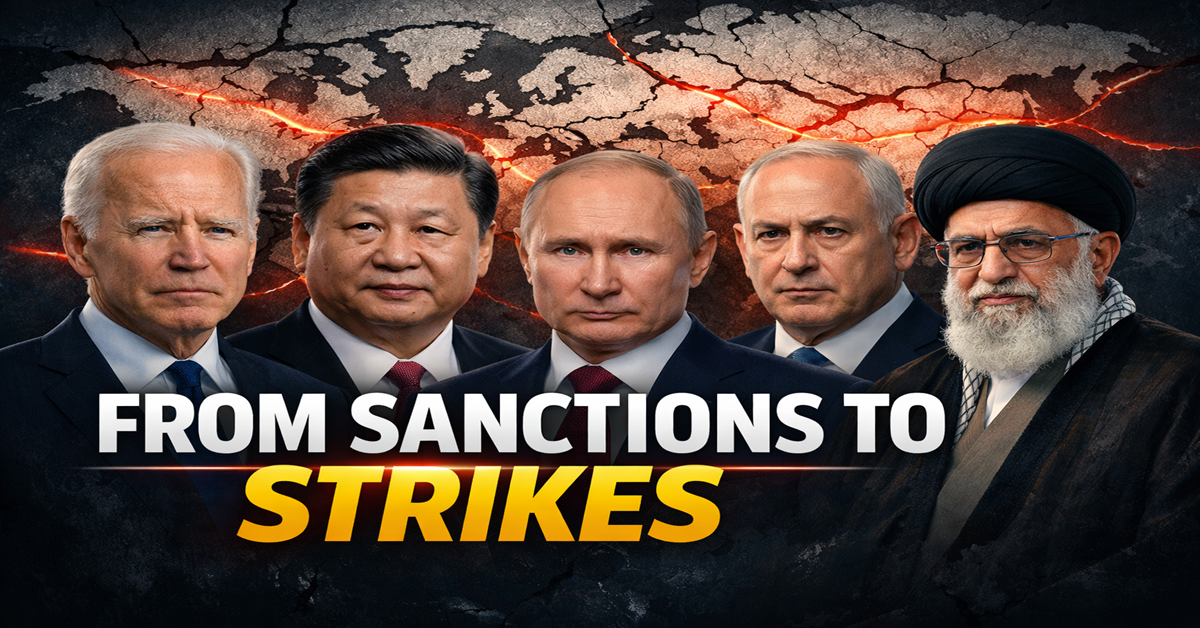
From sanctions to strikes, the world is facing many critical flashpoints. These situations are complex and deeply connected. No conflict exists in isolation.
The future depends on careful decisions, diplomacy, and respect for international rules. Understanding these flashpoints helps people stay informed in a changing world.
Peace may be difficult, but dialogue and cooperation remain the best path forward.