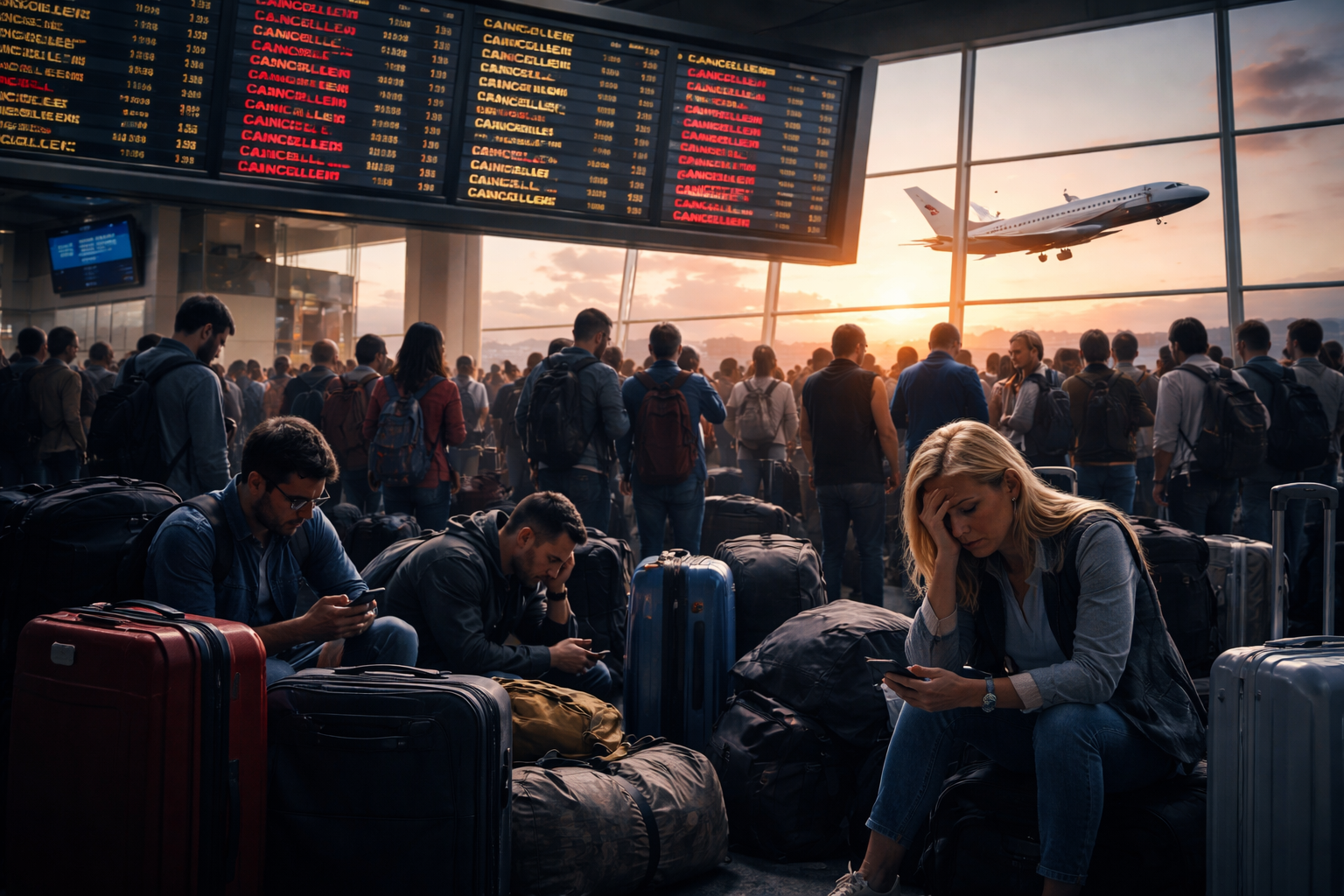
As of March 7, 2026, the airspace closures have caused a huge problem for the people of the Gulf. The airspace closures have shut down major airports in the Gulf, leaving tens of thousands of people stranded. The problem has become so bad that some people have resorted to chartering private jets to get out of the country. The cost of these private jets? As much as $200,000.
This figure is staggering. It should be. But what exactly is going on here? Is the price of an airline ticket now $200,000? The answer, of course, is no. The problem here is not the price of an airline ticket but the fact that the current system has failed.
This is what happens when the rich compete for the few airplanes left. A private charter from Dubai to Istanbul now costs $200,000, up from the previous $110,000 for a large aircraft. Also, smaller private jets that used to cost $50,000 have now doubled in price.
What is actually happening in the sky?
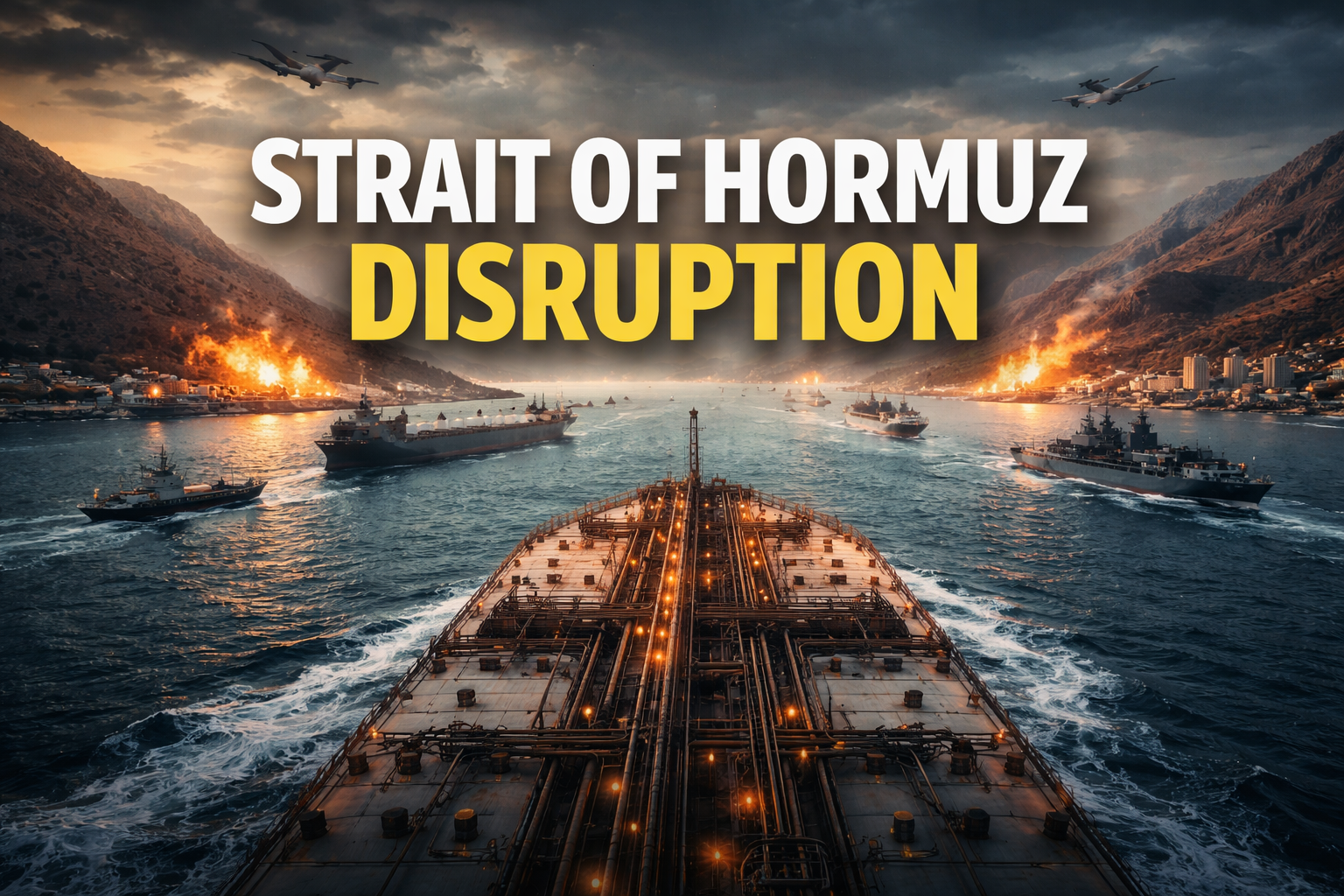
The crisis was initiated by the US-Israel war on Iran, which instilled security concerns in the region. Airspaces in Iran, Iraq, Qatar, Bahrain, Kuwait, and other countries in the region have been fully or partially closed, whereas the UAE has been operational with strict limitations.
Flight tracking records indicate that a huge part of the region has been quieter than usual, which is quite uncommon for one of the busiest routes in the world. Oman, especially Muscat, has turned out to be one of the main alternatives, as their airspace still remains operational, and more relief flights are being directed to this area.
This is important because the Gulf is not just a local travel area. It is one of the biggest connections between Europe, Asia, Africa, and Australia. Reuters has just announced that Dubai, alone, is the world’s busiest airport for international travelers, and it is expected to handle almost 100 million passengers in 2026.
So, if this area slows down, it is not going to be local. A traveler going from London to Sydney, or from Birmingham to Melbourne, may discover that their flight has been disrupted because so many long-haul flights depend on the Gulf for connections.
Why are so many flights being canceled?
Airlines are not canceling flights because they are being cautious. They are canceling flights because it is not safe for planes to fly through or near conflict zones.
Reuters reported that an Air France repatriation flight was forced to turn back due to missile fire, and another Lufthansa flight, headed for Riyadh, was diverted to Cairo due to safety concerns. This tells you just how unstable the situation is.
There is another problem that people tend to forget, however. Traveling by air is like a chain. All the parts must be connected at the right time for the whole thing to work. So, if a big area is shut down for days, the chain starts to unravel.
Reuters reported that even if there were an immediate ceasefire, it would not be long before things returned to normal because it takes time for airlines to reposition aircraft, reassign crews, and reestablish safety clearances.
Why are some travelers paying so much to leave?
This is because for some people, waiting is not an option. Private jet companies in Dubai have been approached by all kinds of travelers, including families, pregnant couples, and elderly people. Some people are trying to leave the country via Riyadh or Muscat instead of waiting for normal commercial services to resume.
The problem is that there are only so many planes, so many slots, and so many corridors. The more the number of people trying to get out of the country increases, the more brutal the market becomes.
This is the reason why the figure of $200,000 has become such a potent symbol in this crisis. This figure illustrates that the problem of traveling is now splitting into two different stories.
One story is about ordinary travelers stuck scanning airport boards, making phone calls to airlines, extending their hotel stays, and hoping to win a seat on a repatriation flight.
The second story is about the people who have the resources to avoid the lines and fly directly home by chartering a jet and departing from a different country. Reuters reported that the travelers are making their way to Oman and Saudi Arabia and departing from there.
Why is this bigger than one traveler’s bad luck?
This story is not just about the rich traveling in their private jets. This story is also about the weakness in the global traveling infrastructure because too much is depending on too few hubs. According to reports, there were over 21,300 flight cancellations at seven major hubs as the strikes started. This is why this event is being described as one of the biggest in the world since the COVID-19 period.
The costs are now being felt not just by the passengers but also by the airlines. The airlines are now having to take longer routes, carry extra fuel, and even have to make extra refueling stops. The cost of the ticket for the Asia to Europe route has already increased significantly.
The four biggest airlines in the US are estimated to be facing billions of dollars in extra fuel costs if the current fuel prices are maintained for the remainder of the year. So, the people who are not directly affected by the conflict will still feel the effects of the conflict later on.
What to Expect Next?
The good news is that some relief flights have now started to return. Qatar Airways has announced a small number of repatriation flights from Doha to major hubs in Europe. Emirates and Etihad have also resumed some services. The message from the airlines, the experts, and the flight trackers is the same: this is not over yet. The airspace in the region is still volatile, and airspace closures are still possible.
So, why are some travelers willing to pay $200,000 for a ticket out? Well, when a big air travel route goes down, time is money, certainty is scarce, and the usual rules of travel don’t apply.
In such a situation, the best that money can buy for the rest of the travelers is to wait for the system to recover. And maybe that’s the most important lesson learned from all this: when the planes are delayed, it’s not just the planes that are delayed, it’s the world.
Click here to understand what’s happening around the world.