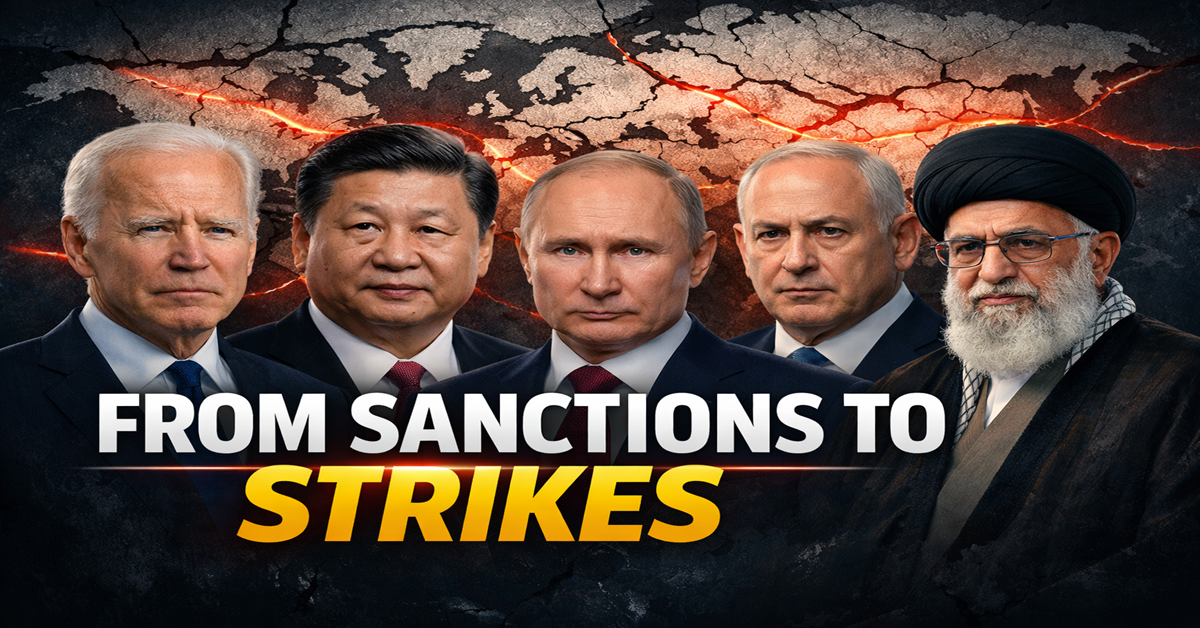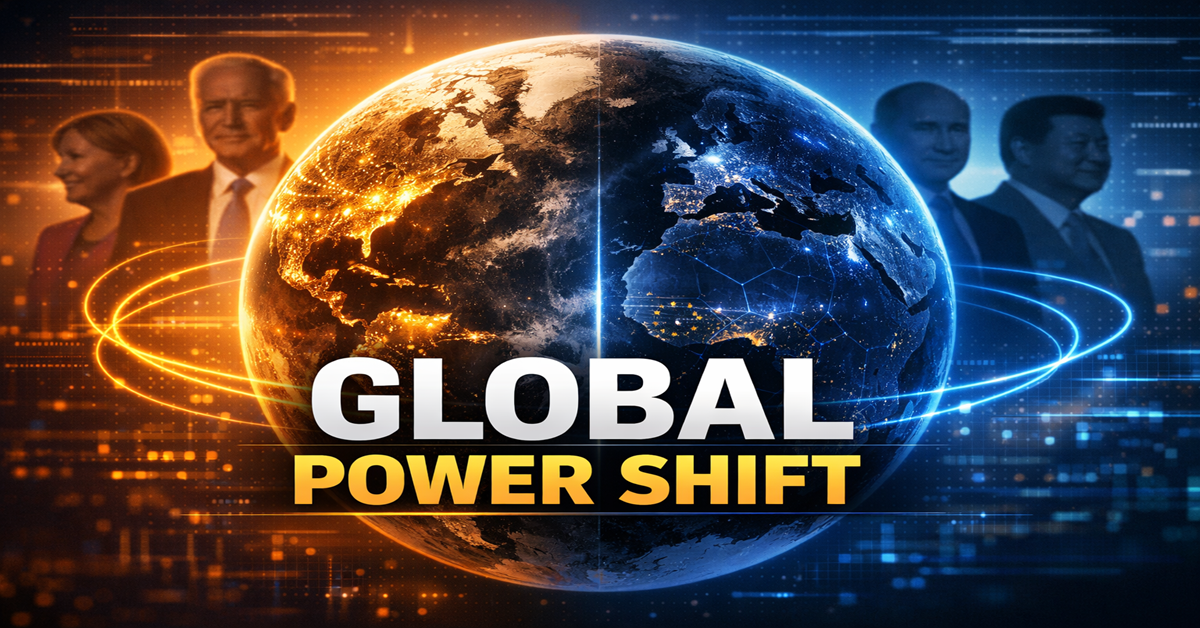
The world is going through a period of strong political change. International crises are shaping how countries deal with each other. Power relations are shifting. Old alliances are being tested, and new partnerships are forming. These developments affect global security, the economy, and daily life for people everywhere.
This article explains the major international crises and developments that are changing global power today. The language is simple and the focus is on real events.
A World Facing Multiple Crises
Today’s world is not facing one single crisis. Instead, there are many crises happening at the same time. Some are military conflicts. Others are political, economic, or diplomatic tensions.
Because countries are closely connected, a crisis in one region quickly affects others. Energy prices, food supply, and trade are all influenced by global instability.
Governments are being forced to rethink their policies and priorities.
Russia and Ukraine: A Turning Point in Global Politics
The conflict between Russia and Ukraine has changed global power dynamics. It has led to strong reactions from Europe, the United States, and other Western countries.
Sanctions have been placed on Russia. These include limits on banking, trade, and energy exports. As a result, Russia has increased cooperation with non-Western countries.
Ukraine has received strong political and military support from its allies. This has increased tension between Russia and NATO members.
This conflict has also affected the global economy. Energy prices rose. Food supplies were disrupted. Many developing countries felt the impact.
Middle East Tensions and Regional Influence
The Middle East remains a major focus of international concern. Several ongoing crises overlap in this region.
The Israel-Palestine issue continues to cause instability. Periodic violence and humanitarian concerns attract global attention. International calls for peace and ceasefires continue, but a long-term solution remains difficult.
Iran is another key player in the region. International sanctions linked to nuclear concerns remain in place. Talks between Iran and world powers have faced challenges.
Regional rivalries and security concerns mean the Middle East continues to influence global politics and energy markets.
United States and China: Shifting Global Leadership
The relationship between the United States and China is one of the most important factors shaping global power.
Both countries are economic giants. They compete in trade, technology, and global influence. Restrictions on advanced technology and trade limits have increased tension.
The Taiwan issue is a sensitive point. China considers Taiwan part of its territory. The United States supports Taiwan’s security. Military activities around Taiwan often raise international concern.
Despite tensions, both countries maintain communication to avoid direct conflict. Any major clash would affect the entire world.
Asia-Pacific Security Concerns
The Asia-Pacific region faces several security challenges.
North Korea continues missile testing despite international sanctions. These actions raise concerns for nearby countries and global security.
In the South China Sea, multiple countries claim disputed areas. China, along with Southeast Asian nations, remains involved in ongoing disputes. The presence of military forces keeps tensions high.
Because this region is vital for global trade, instability there has worldwide consequences.
Africa: Political Change and Global Interest
Several African countries are experiencing political instability. Military takeovers, election disputes, and security issues have raised concern.
In response, international organizations and countries have imposed sanctions in some cases. These measures aim to restore constitutional order.
Africa has also become an area of competition between global powers. Natural resources, trade routes, and strategic location make the continent important in global politics.
These developments are slowly changing Africa’s role in international power relations.
Economic Pressure and Sanctions
Sanctions have become a key tool in international crises. Countries use economic pressure instead of direct military action.
Sanctions target banks, companies, and individuals. They are meant to influence government behavior.
However, sanctions often affect ordinary people. Inflation rises. Jobs are lost. Access to goods becomes difficult.
As a result, sanctions remain powerful but controversial.
Energy and Global Power Shifts
Energy has become a major factor in global power changes. Control over oil, gas, and renewable energy sources is now a strategic priority.
Countries are trying to reduce dependence on single suppliers. This has led to new energy partnerships and investments.
Energy security now plays a central role in foreign policy decisions.
Role of International Organizations
Global institutions try to manage crises and prevent escalation. The United Nations, regional alliances, and diplomatic forums provide platforms for dialogue.
Peace talks, mediation, and humanitarian support are key tools. However, disagreements among major powers often limit effectiveness.
Even so, international organizations remain important in crisis management.
Impact on Ordinary People
International crises affect daily life. Rising prices, supply shortages, and job uncertainty are common results.
Conflicts force people to leave their homes. Millions become refugees. Host countries face social and economic pressure.
Even those far from conflict zones feel the effects through inflation and market instability.
A Changing Global Order
The balance of global power is changing. Some countries are gaining influence. Others are adjusting to new realities.
Traditional alliances are evolving. Regional powers are playing bigger roles. The world is becoming more complex and less predictable.
These changes do not happen overnight, but their effects are long-lasting.
Conclusion
International crises are reshaping global power in significant ways. From military conflicts to economic pressure, these developments affect every region.
The future depends on diplomacy, cooperation, and responsible leadership. While tensions remain high, dialogue continues to offer hope for stability.
Staying informed about global events helps people understand the changing world around them.